
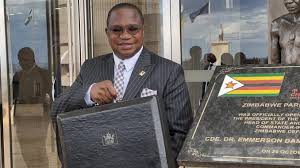
The 2025 national budget presented by Zimbabwe’s Minister of Finance, Hon. Mthuli Ncube, appears unpeople-centered and how it could negatively impact the average Zimbabwean:
1. Lack of Accountability and Misallocation of Funds
The previous sugar tax, introduced ostensibly to raise money for cancer treatment machines, has been scrapped without achieving its stated goal. Not a single cancer machine has been procured, highlighting a worrying trend of poor fiscal accountability. This undermines public trust in government initiatives and raises skepticism about whether the fast food tax revenue will be used as intended. Citizens feel that their financial sacrifices are not yielding tangible benefits.
2. Exacerbating Tax Burden on Citizens
Zimbabweans already endure one of the highest tax thresholds in Africa, including value-added tax (VAT), excise duties, Pay-As-You-Earn (PAYE), and various levies. Adding a fast food tax intensifies the financial strain, especially on low- and middle-income earners who occasionally rely on affordable fast food options due to time or economic constraints. Instead of addressing the systemic inefficiencies in public revenue management, the government opts to increase its revenue by overburdening citizens.
3. Disproportionate Impact on the Middle and Lower Classes
The new fast food tax targets consumption habits of ordinary people, particularly urban dwellers and the working class. For many, fast food is not a luxury but a necessity due to erratic work schedules, limited disposable income, and lack of time for home cooking. This tax will push fast food prices higher, indirectly inflating the cost of living.

4. Economic Ripple Effects
- Reduced Consumer Spending: Higher fast food prices might lead to reduced spending in this sector, negatively affecting fast food vendors, many of whom are small business owners or franchise operators. This could lead to job losses in an already fragile economy.
- Inflationary Pressure: The new tax adds to the cost of goods and services, potentially fueling inflation, which already erodes the purchasing power of Zimbabweans.
- Limited Disposable Income: With more money directed toward taxes, households will have less to spend on other essentials, worsening poverty levels.
5. Failure to Address Core Issues
Zimbabwe’s economic struggles stem from systemic problems, including corruption, mismanagement of public funds, and a weak economic base. Instead of introducing targeted, long-term solutions, such as industrialization, job creation, or healthcare investments, the government relies on quick-fix tax measures that lack tangible outcomes.
Recommendations for a People-Centered Budget
- Transparent Use of Funds: The government must establish a transparent mechanism to show how tax revenue is allocated and spent, ensuring that it benefits the intended sectors, such as healthcare.
- Reduce Wasteful Spending: Address inefficiencies in public administration and eliminate unnecessary government expenditures.
- Focus on Economic Growth: Instead of over-taxing citizens, invest in policies that stimulate growth, such as promoting entrepreneurship, infrastructure development, and technology.
- Pro-Poor Policies: Develop subsidies for basic commodities, strengthen social safety nets, and introduce progressive taxes that place a fairer burden on higher-income earners.
Conclusion
The 2025 budget appears disconnected from the realities faced by ordinary Zimbabweans. By introducing a tax on fast foods without clear accountability for previous tax revenues, the government risks eroding public trust further. If not reconsidered, these measures will aggravate poverty, deepen inequality, and undermine economic stability. A genuine commitment to the welfare of the people requires a fundamental shift in fiscal priorities and governance.
4o
 #mkomanawamamoyo
Leave a comment