
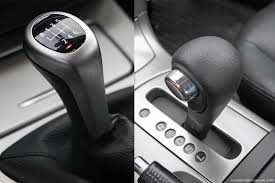
The debate over whether Zimbabwe should shift driver testing from manual gear shift vehicles to automatic ones reflects broader trends in vehicle technology and transportation policy. This issue has implications for road safety, corruption in the Vehicle Inspection Department (VID), and the overall modernization of the country’s driver training and testing systems.
Benefits of Switching to Automatic Vehicles Testing
- Aligning with Vehicle Trends:
- Global Shift: The global automobile market is increasingly dominated by automatic transmission vehicles. In Zimbabwe, many new and imported vehicles are automatic, making manual testing less relevant for most motorists.
- Simpler Learning Curve: Automatic vehicles are easier to learn, which can improve the overall standard of driving and reduce the pressure on learners during tests.
- Curbing Corruption:
- Standardized Testing: A focus on automatic vehicles could streamline testing, reducing opportunities for corruption at VID by simplifying the criteria and eliminating some subjective assessments.
- Digitalization Potential: Introducing automatic vehicle testing could coincide with digitalized processes, such as computer-based simulations and automated scoring, which can minimize human interference and reduce corruption.
- Potential Impact on Road Safety:
- Improved Focus: Driving automatic vehicles allows drivers to concentrate more on road awareness and decision-making rather than gear and clutch control, potentially reducing accidents caused by poor vehicle handling.
- Broader Accessibility: This approach might encourage more people, including those who find manual transmission intimidating, to undergo proper training and testing.
Challenges of Eliminating Manual Testing
- Exclusion of Manual Drivers:
- Zimbabwe still has a significant number of vehicles with manual transmissions, especially in public transport (kombis) and older vehicles. Limiting testing to automatic vehicles might leave some drivers inadequately prepared to handle manual vehicles.
- Cultural and Economic Factors:
- Cost of Transition: Many driving schools would need to invest in automatic vehicles, which could increase training costs and fees, making driving lessons less accessible for some citizens.
- Job Impact: Manual vehicles remain common in logistics and agriculture. Drivers with automatic-only licenses may find themselves restricted in job opportunities requiring manual vehicle operation.
- Risk of Incomplete Reform:
- Simply switching to automatic vehicle testing may not automatically reduce corruption at VID. Comprehensive reforms, including improved oversight, transparency, and digitalization, are necessary for lasting change.
Impact on Road Accidents
While driving automatic vehicles might reduce accidents caused by handling issues, road safety largely depends on driver behavior, enforcement of traffic laws, and road conditions. Addressing these areas remains critical, regardless of the type of vehicle tested.
Recommendations
- Dual Licensing System:
- Introduce separate licenses for automatic and manual vehicles, allowing drivers to choose based on their needs while maintaining options for those who still use manual cars.
- Modernization of VID:
- Invest in technology to automate parts of the testing process, such as computerized scoring and real-time monitoring, to reduce human intervention and corruption.
- Public Awareness and Transition:
- Educate citizens on the benefits of transitioning to automatic vehicle testing while addressing concerns about accessibility and costs.
- Road Safety Measures:
- Combine changes in testing with stricter enforcement of traffic rules, better road infrastructure, and ongoing driver education to significantly improve safety outcomes.
Conclusion
Switching to automatic vehicle testing could modernize Zimbabwe’s driving regulations and help curb corruption, but the transition must be carefully managed to ensure inclusivity and maintain relevance for manual vehicle users. Pairing this move with broader reforms in VID and road safety enforcement would yield the most significant benefits.
 #mkomanawamamoyo
Leave a comment