
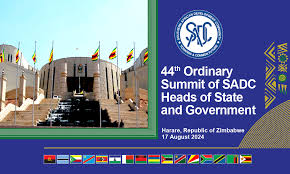
In November 2017, Zimbabwe experienced a significant political shift when Emmerson Mnangagwa, then Vice President, ascended to power through a military-backed coup. Since his takeover, Mnangagwa has made concerted efforts to solidify his rule, seeking legitimacy and international recognition. His recent assumption of the Southern African Development Community (SADC) chairmanship highlights his ongoing quest for validation. However, this pursuit of international acceptance comes at a significant cost to Zimbabwe’s human rights landscape.
Mnangagwa’s Quest for Legitimacy
The SADC summit where Mnangagwa assumed the rotational chairmanship was not merely a diplomatic event; it was a high-profile opportunity for Zimbabwe to project stability and leadership within the region. The extensive preparations and substantial resources allocated to hosting the summit underscore Mnangagwa’s determination to enhance his government’s standing on the international stage. By successfully securing the chairmanship, Mnangagwa aims to demonstrate his administration’s credibility and competence, both to regional peers and global observers.
The Human Rights Conundrum
Despite these efforts to bolster Zimbabwe’s international image, the country’s human rights situation remains deeply troubling. Activists and political dissidents continue to face severe repression under Mnangagwa’s rule. Numerous individuals have been detained without sufficient cause, often as a preventive measure against anticipated protests or dissent. This practice not only violates fundamental human rights but also undermines the legitimacy of the government that Mnangagwa is working so hard to promote.
The continued imprisonment of activists on remand raises critical concerns about the state’s commitment to democratic principles and human rights. It reveals a stark contrast between the image of stability and reform that Mnangagwa seeks to project and the reality of a repressive political environment. The detention of these activists suggests that the government’s primary strategy for managing dissent involves stifling it, rather than addressing the underlying grievances or fostering a more inclusive political dialogue.
Ramifications for Zimbabwe
The ramifications of this discrepancy are multifaceted. On one hand, Mnangagwa’s successful assumption of the SADC chairmanship might provide Zimbabwe with a temporary boost in international standing. It could potentially open doors for increased diplomatic engagement and economic support from regional partners who value stability and leadership within the bloc.
On the other hand, the ongoing human rights abuses cast a long shadow over these achievements. International bodies and human rights organizations are unlikely to overlook the government’s track record of repression. The disparity between Zimbabwe’s projected image and its human rights reality may result in continued scrutiny and criticism from the international community. This could impact Zimbabwe’s relations with other countries, as well as its access to financial and developmental aid.
Moreover, the domestic implications are equally concerning. The repression of activists not only undermines public trust in the government but also stifles potential avenues for societal progress and reform. By detaining dissenters, the government risks perpetuating a cycle of unrest and dissatisfaction, which could undermine long-term stability and development.
Balancing Gains and Concerns
While Mnangagwa’s efforts to legitimize his rule through regional leadership roles can be seen as a strategic move to stabilize and promote Zimbabwe, they must be weighed against the human rights abuses occurring under his administration. The gains achieved through diplomatic and political means must be evaluated in the context of their impact on the broader societal fabric.
Zimbabwe’s progress as a nation will ultimately be judged not only by its international standing but also by its commitment to upholding democratic values and human rights. The government’s approach to handling dissent and ensuring the protection of civil liberties will play a crucial role in determining whether its efforts to legitimize its rule lead to genuine and sustainable improvements for the country and its people.
Conclusion
In conclusion, while Emmerson Mnangagwa’s assumption of the SADC chairmanship reflects a strategic effort to enhance Zimbabwe’s international stature, it simultaneously highlights the dissonance between the government’s diplomatic ambitions and its human rights practices. The continued detention of activists serves as a stark reminder of the challenges facing Zimbabwe’s journey toward genuine democratic governance and respect for human rights. As Zimbabwe navigates these complex dynamics, the international community and local stakeholders must remain vigilant in advocating for meaningful reforms and holding the government accountable for its actions.
 #mkomanawamamoyo
Leave a comment