
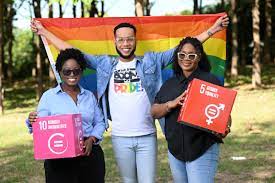
Enhancing the accessibility of HIV prevention and treatment services for the LGBTQ community in Zimbabwe requires a comprehensive approach that addresses both systemic barriers and the specific needs of this population.
LGBTQ-Inclusive Healthcare Policies: Advocate for the development and implementation of healthcare policies that explicitly prohibit discrimination based on sexual orientation and gender identity. These policies should ensure that LGBTQ individuals have equal access to HIV prevention, testing, treatment, and care services without fear of discrimination or stigma.
Culturally Competent Healthcare Providers: Provide training for healthcare providers on LGBTQ cultural competency and sensitivity. This includes understanding the unique healthcare needs and challenges faced by LGBTQ individuals, as well as adopting inclusive language and practices in healthcare settings.
Safe Spaces and Confidentiality: Create safe and confidential spaces where LGBTQ individuals feel comfortable seeking HIV services. This may involve establishing LGBTQ-friendly clinics or incorporating LGBTQ-specific hours or services within existing healthcare facilities.
Community Outreach and Education: Conduct targeted outreach and education campaigns to raise awareness about HIV prevention and treatment within the LGBTQ community. This includes providing information about safer sex practices, HIV testing options, and the importance of regular HIV screening and treatment adherence.
Peer Support and Counseling: Establish peer support groups and counseling services specifically for LGBTQ individuals living with HIV. Peer-led initiatives can provide a supportive and non-judgmental environment where individuals can share experiences, seek advice, and access resources to help them manage their HIV care.
Integration of Services: Integrate HIV prevention and treatment services with other LGBTQ-affirming health and social support programs. This can include offering mental health services, substance abuse treatment, and gender-affirming care alongside HIV services to address the holistic needs of LGBTQ individuals.
Policy Advocacy and Legal Reform: Advocate for legal and policy reforms that protect the rights of LGBTQ individuals and ensure equal access to healthcare services. This includes advocating for anti-discrimination laws, legal recognition of gender identity, and decriminalization of same-sex relationships.
Collaboration with LGBTQ Organizations: Partner with LGBTQ organizations and community groups to co-design and implement HIV prevention and treatment programs that are responsive to the needs and priorities of the LGBTQ community.
By implementing these strategies, stakeholders can work towards creating a more inclusive and accessible healthcare environment for the LGBTQ community in Zimbabwe, ultimately reducing HIV transmission rates and improving health outcomes for all individuals.
 #mkomanawamamoyo
Leave a comment