
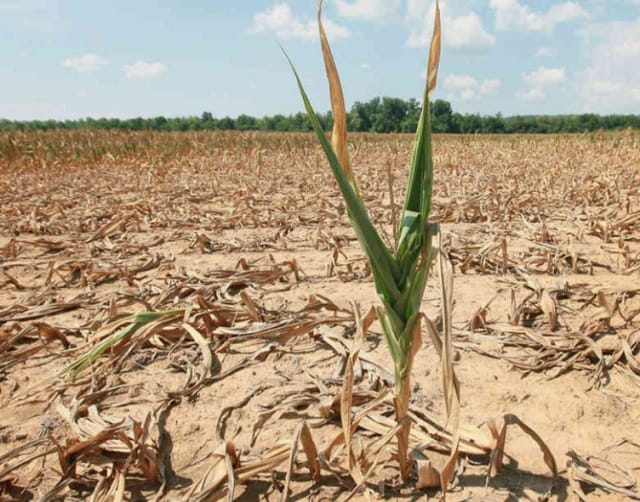
As the world grapples with the devastating impacts of climate change, Zimbabwe finds itself at the forefront of a growing crisis. The 2023/2024 rain season has brought unprecedented challenges, leaving communities across the country facing acute food insecurity. With crops failing and livelihoods at stake, the international community must urgently scale up food assistance to avert widespread starvation and hunger.
Climate change has long been recognized as a looming threat, but its effects are now unmistakable in Zimbabwe. Erratic rainfall patterns, prolonged droughts, and extreme weather events have become the new norm, wreaking havoc on agricultural production and exacerbating food insecurity. The 2023/2024 rain season has proven to be particularly harsh, with many regions experiencing significantly below-average rainfall.
As a result, farmers have struggled to plant and cultivate their crops, leading to widespread crop failures and diminishing harvests. In a country where agriculture is the backbone of the economy and the primary source of livelihood for the majority of the population, the impact of these failures cannot be overstated. Families are facing dire choices between feeding themselves and meeting other basic needs, pushing them deeper into poverty and hunger.
The consequences of food insecurity are far-reaching and profound. Malnutrition rates are on the rise, particularly among vulnerable groups such as children and pregnant women, putting their health and well-being at risk. Economic instability and social unrest loom on the horizon as communities grapple with the fallout of failed harvests and dwindling resources.
In the face of such dire circumstances, the need for urgent action is clear. The international community must step up its efforts to provide much-needed food assistance to the people of Zimbabwe. This assistance should not only focus on addressing immediate hunger needs but also on building resilience and adaptive capacity to withstand future climate-related shocks.
However, addressing the immediate crisis is only part of the solution. Equally important is the need to prioritize climate change information dissemination as a proactive measure to mitigate future risks. By raising awareness about the drivers and impacts of climate change, communities can better understand the challenges they face and take steps to adapt and build resilience.
Climate change information dissemination can take many forms, from public awareness campaigns and community workshops to educational programs in schools and universities. It is crucial that information reaches all segments of society, including marginalized and vulnerable groups who are often disproportionately affected by climate change.
Furthermore, efforts to disseminate climate change information should be integrated into broader development strategies and policies at the national level. By mainstreaming climate change adaptation and mitigation measures into agricultural planning, water management, and disaster risk reduction initiatives, Zimbabwe can better prepare for future climate-related challenges and safeguard food security for its people.
In conclusion, the 2023/2024 rain season has highlighted the urgent need for action on climate change and food security in Zimbabwe. As the country grapples with the devastating impacts of erratic weather patterns and crop failures, the international community must prioritize scaling up food assistance to avert widespread hunger and starvation. Equally important is the need to prioritize climate change information dissemination as a proactive measure to build resilience and adapt to future climate-related risks. Now is the time for concerted action to address the root causes of food insecurity and pave the way for a more sustainable and resilient future for Zimbabwe and its people.
 #mkomanawamamoyo
Leave a comment