
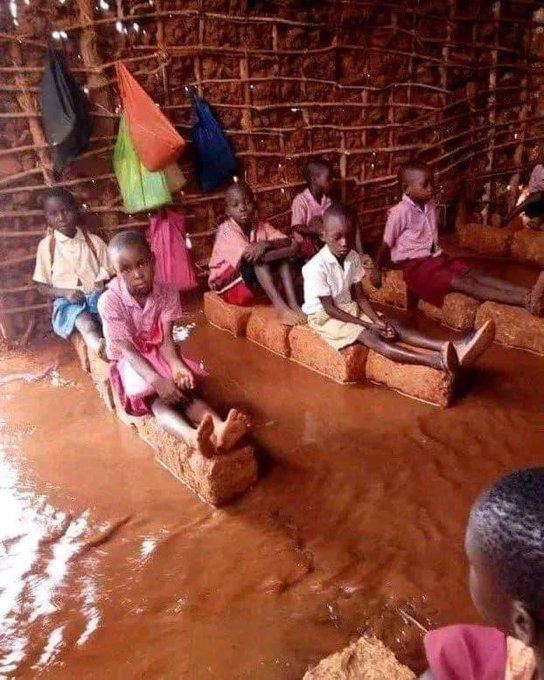
Zimbabwe’s Meteorological Services Department has warned of heavy rains and possible flooding in many parts of the country through March. This comes at the peak of the rainy season. In such regions, inadequate drainage systems and poorly constructed buildings exacerbate the impact of heavy rains, leading to flooding that can cause significant damage to property and threaten lives. Rural areas are most at risk as infrastructure like drainage systems and roads are often poor or non-existent. Heavy rains can quickly overwhelm simple drainage channels. Low-lying areas and river valleys are especially vulnerable to flooding. Floodwaters can rise rapidly, cutting off villages and communities. Makeshift housing found in many rural areas provides little protection from floodwaters. Homes can be washed away or rendered uninhabitable. This displaces families. Stored crops and food supplies kept in homes are also at risk of being destroyed by floods, exacerbating food insecurity issues. Roads and bridges in rural areas frequently wash out, isolating communities from help and support. This poses problems for emergency responders.
Low-lying areas and river banks are particularly vulnerable to flooding. Places like Marondera, Chinhoyi and Mvurwi have historically been badly affected during periods of heavy rain. One of the most vulnerable groups during flooding events is school children. Many schools in rural areas may lack proper infrastructure to withstand flooding, such as sturdy buildings or elevated grounds. As a result, when floods occur, schools may be inundated, disrupting education and posing risks to the safety of students and teachers.
Furthermore, the aftermath of flooding often includes issues such as contaminated water sources, increased risk of waterborne diseases, and damage to agricultural land, which can affect food security and livelihoods in rural communities.
To mitigate the impact of flooding in Zimbabwe’s rural areas, there is a need for improved infrastructure, early warning systems, and emergency preparedness measures. This includes investing in resilient school buildings, constructing better drainage systems, and educating communities about disaster preparedness and response. Additionally, providing support for affected communities in the form of relief aid, healthcare services, and access to clean water is crucial in the aftermath of flooding events.
 #mkomanawamamoyo
Leave a comment