
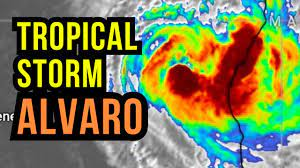
Photo @HeraldZimbabwe
Cyclone Alvaro, a devastating natural disaster, is wreaking havoc in Zimbabwe, and the response from authorities has been notably silent and inadequate. The lack of immediate action to address the impact of the cyclone raises serious concerns about the urgency of climate justice in the region, and the critical need for proactive measures and aligned legislation to mitigate the impact of climate change on vulnerable communities.
Cyclone Alvaro’s Impact on Zimbabwe:
- Humanitarian Crisis: The cyclone has resulted in widespread devastation, displacing communities, causing loss of life, and leaving many without shelter, food, or access to essential services. The humanitarian crisis is escalating, with vulnerable populations, including women, children, and the elderly, disproportionately affected.
- Infrastructure Damage: Critical infrastructure, including roads, bridges, and communication networks, has been severely damaged, hindering the delivery of aid and emergency response efforts. This exacerbates the challenges faced by affected communities in accessing timely assistance and evacuation.
- Agricultural Losses: Cyclone Alvaro has caused extensive damage to crops and agricultural lands, jeopardizing food security in the region. Subsistence farmers, who are already grappling with climate-related challenges, are now facing further setbacks, exacerbating the vulnerability of rural communities.
Climate Justice Imperatives:
- Immediate Relief Efforts: Urgent measures are needed to provide immediate relief to affected communities. Adequate resources, including food, clean water, medical supplies, and temporary shelter, must be mobilized swiftly to address the pressing needs of those impacted by the cyclone.
- Climate-Responsive Legislation: The lack of a comprehensive legal framework to address climate-related disasters in Zimbabwe is glaring. There is an urgent need for the development and implementation of climate-responsive legislation that prioritizes the protection of vulnerable communities, ensures sustainable development practices, and holds accountable those contributing to climate change.
- Community Empowerment: Climate justice must center on empowering local communities to adapt and build resilience to climate-related challenges. This involves providing education, resources, and support for sustainable practices that reduce vulnerability to future disasters.
- International Collaboration: The impact of climate change transcends borders, and addressing it requires international collaboration. Zimbabwe should actively engage with regional and global initiatives aimed at mitigating climate change, securing climate justice, and providing support for affected nations.
Cyclone Alvaro serves as a stark reminder of the urgent need for climate justice in Zimbabwe. Timely and effective responses, coupled with comprehensive legislation and international cooperation, are imperative to protect vulnerable communities, build resilience, and ensure a sustainable future in the face of escalating climate-related challenges. The silence of the authorities must be replaced with proactive and decisive action to address the immediate and long-term impacts of Cyclone Alvaro.
 #mkomanawamamoyo
Leave a comment