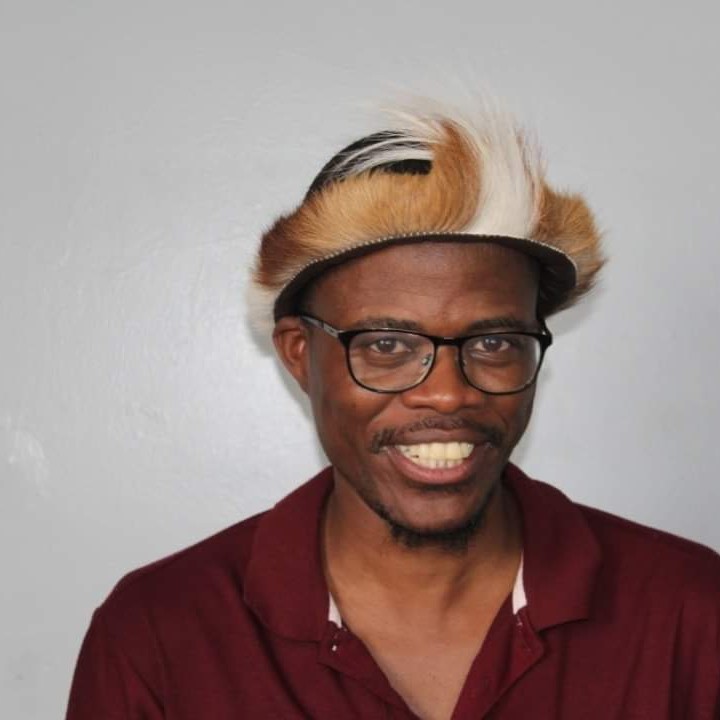
Culture
FACTS ON SHONA PEOPLE OF ZIMBABWE
1) Shona people are the biggest tribe in Southern Africa. They are even bigger than all Zulus and the whole of Botswana populatiom combined together.
2)Shona people are the ones who built all stone Ruins in and around Zimbabwe together with their main brother tribe the Venda tribe about 2000 years ago.
3) First group of Shona people were the Rozvi who are of Moyo totem also known as Madzimbahwe for their great stone structures. They are also referred to as Venevenyika for they are the first people to inhabit the land between Zambezi and Limpopo.
4) First group of these Rozvi people were 2 families of 2 brothers whose grandfather Mushore lived in Tanganyika which is present day Tanzania. The 2 brothers were Mushona and Mbiru. Mushona gave birth to 8 boys who became heads of 8 Moyo or Rozvi clans including Chirandu, Ziruvi and Dhewa. Mbiru moved further down and formed his civilisation whose language further evolved sounding different from the one of Mushona’s family, the language is known as Venda. There are more dialects still emerging the same way from Shona language like recent Hwesa dialect.
5) South African Nguni tribes especially Zulu carry 70% Shona people’s DNA and 30% DNA of the Khoi-khoi people from the deserts around Botswana which explains why Zulu language is made up of more than 60% Shona vocabulary and about 30%+ hiss and click vocabulary of the Khoi.
6)Archeological evidence proves that Nguni civilisations only date back to about 1040years ago. A couple of centuries before that it was reported that Rozvi people had decided to disperse from the now ruins like Great Zimbabwe creating new totems of animals for agricultural and game conservative reasons among other reasons. That is when the Khoi started taking Shona and Venda women since the Rozvi people had now spread across the land which happened to be a hunting ground for the Khoi.
7) Later Nehanda spirit led another group of people from great lakes across Zambezi who spoke a dialect that was relative to the ones spoken by the Rozvi people. The spirit possessed mediums in Mushawatu(Mushavanhu) family of Mhofu(Eland) totem.
8) Another spirit by the name Tovera that possessed mediums of Soko(Monkey) totem also led another group of people into the land. Again these people had the same origin as the Rozvi and Mhofu.
9) These 3 groups are tracable back to as far as Sudan and they are originally Nubians and the Rozvi being decendants of ancient Nubian raiders who once conquered Egypt and ruled as Egyptian 25th dynasty. This also explains why Rozvi stoneworks carry the same art as Nubian pyramids.
10) Rozvi civilisations easily grew and thrived by accommodating people from all walks of life which earned them a title name Bvumavaranda. This is one of the fine characters of Shona people today. They are peaceful and accommodating to all the people reguardless of race, colour or language as long as they are willing to join and embrace the spirit of being Mazimbahwe.
#Kudzidza Hakupere
Mitupo yedu – (Stolen from somewhere by me);
In this article I am going to look at a few Zimbabwean totems and what they mean in detail. Note that Zimbabwe is a multiracial country with a deviated cultural tradition therefore I am not going to undermine any tribe but stress the totemism as they’re represented. There are Shona, Ndebele, Tonga, Venda, Shangani, Ndau, Manyika, Coma, Korekore, Kalanga, Fengu, Nyanja, Lozi, Numbias etc, but I will rather perceive them as merely dialects which cradled from the same Bantu root tribe.
Shumba
The first and more popular totem is the LION (shumba, sibanda, abanda). This totem represents very strong and competitive people owing to the mighty of the animal which is considered the king of all fauna. There are various types of the Lion ie (chidawu)or classification of lions for example Lion of Jichidza(a certain type of noisy and nocturnal bird found in Jichidza area near the Great Zimbabwe ruins), Lion of Chirumhanzu an area demarcating Midlands and Masvingo province. Lion of the Garwe/crocodile, Lion Murambwi meaning the rejected one, Lion of the Zebra etc all these totems were divided by lustful forefathers who wanted to evade incest and marry their siblings, but they’re all from one great ancestry father Nehoreka the mighty king who migrated from Tanganyika ie Tanzania. These lion people are characterized by greedy, they crave for meat more than anything, they’re also aggressive, great hunters, fearless and fierce fighters even their women possess similar attributes. The males have insatiable appetites for multiple women, they have lots of testosterone levels prompting them to want women and fighting always.
Moyo
In addition, there are Rozvi people believed to be the earliest inhabitants of Zimbabwe. History tells us that they’re from the Changamire line.They prides themselves as the owners of the country. Their totem is Moyo or Mhumba which means HEART. They call themselves a necessity totem as every living thing needs a heart to survive. Types of Moyo totems are Chirandu, Zuruvi. They’re affectionately known as Gonoremombe the mighty bulls, Dhewa, Murozvi mukuru meaning the great plunderer or mighty pillager.They originated from Masvingo province and got scattered across the country in search of greener pastures. Most people believe the Moyo people are loving and caring people. Their women make good mothers and family building. The Zuruvi males are known to produce fearless hunters and great fighters.They don’t eat heart of any living thing.
Zhou
The Elephant totem, the Nzou/Zhou have a number of classes(chidawu).Affectionately known as Mhukahuru meaning the big animal or Indlovu. They are scattered across the country some in the North along the Zambezi valley. These are the Tonga, Tavara, Karanga, Ndebele, Remba. The totem represents mighty people who are well built, big statured and destructive. They’re great hunters mostly the Karanga, Remba and Tonga whereas the Ndebele produce great fighters. The elephant totem is comprised of people with great skill in arts, sports and academic. Their dialectical classes comprises of Samanyanga(great horns/tusks), Suwani, Mushavi. Mushavi commonly in Mberengwa. Mutupo unorema.
Madhuve
The zebra also has a popular group totemised after it. They are known as Duve, Dhuve, Dube or madhuve meaning women. The zebra people are very proud of their totem. They call themselves “gandarevasikana” meaning they’re smart and smooth skinned like a girl’s skin. There is a saying among them that they don’t pass on feacal stool but rather buns as the zebra dung is bun-shaped. Their women are usually beautiful, curved and charming. Most men loathes to rue a chance of dating zebra totemed women.
Dziva
The Dziva(pool) totem christened the Save owing to the mighty Save river arguably the biggest stream in the interior of Zimbabwe with great pools, crocodiles, hippopotamus, fish and other innumerable ecological species. These people come from areas along the Save river which include Hwedza, Buhera, Chivu and most parts of the southern Manicaland, Eastern Masvingo including Chipinge, Birchnough, Nikita and Checheche. They believe that eating fish is forbidden among them, however cultural dilution today is leading many to undermine those traditional statutes. Anything that comes from water was not to be eaten,but various theories today has left many believing that a certain type of sea fish should not be eaten possibly the shark or whale which they call “jekausiye” meaning cut enough portion for your family and leave the rest. It is part of Zimbabwean mythology that the great sea fish was discovered by ancestors on the banks of the great river which they were told to cut portions for their families leaving it alive to find it unscathed the next day.
Nyoni
The Shiri/Nyoni (Fish Eagle) which is known as Hungwe or the Zimbabwe bird a national emblem. Also called Shirichena (white bird) is a common totem of people who hail from the vicinity of the City Masvingo. It is sometimes called Mauruka (flying above) or Chasura chatibwege (the one that puffs or farts it’s dung in the air). This totem comprises of people who are well known for unity, they are not good individual fighters but crowd an enemy instead. They’re less brave, but believe in numbers. Their men usually are polygamous, believing in having many children as labour and security. They work very hard, but are not academically smart most of them.
Humba
Humba/Nguruve (swine, pig or wild boar).They hail from Manyika and parts of Eastern Masvingo provinces. They don’t eat pork. They’re shy, undisputable when angry, hardworking, intelligent and generous. They seem docile, quiet and serious, but are very sociable, caring and loving. Their males have an insatiable appetite for females, so are their women too.
Gumbo
The Gumbo totem (cattle leg), they come from Gutu area in Masvingo, they’re the chiefs there and are believed to be the pioneers of the Gutu settlement Northeast City of Masvingo. They do not eat flesh from the trotters or legs of animals especially cattle as it is their totem. The name Chitovanedzevamwe/ meaning poaching from others simply tells how lustful they’re. They are always after other people’s women so are their females who boasts of their good looks and charming to lure other women’s lovers. Their population is not so big but scattered around.
Mhofu
The Eland (Mhofu/Mpofu) totem is a very popular totem of scattered people. They’re known as Vahera or chihera (females), Mwendamberi (going forward), Musiyamwa or Mhofuyemukono (the mighty bull eland). Their women are known to produce infidels, cheating wives and prostitutes, they challenge husbands and dominate their homes entirely. These women too produce deadly witches. However, their males are hardworking,very good in bed, great hunters and united warriors. They’re not so intelligent, but consistency and hardworking makes them successful. They produce good sportsmen too for example Memory Mucherahowa one of the most decorated footballers in Zimbabwe. The females boasts of being good in bed, beautiful and irresistibly charming. Hardwork makes them successful both males and females.
Nyati
The mighty Cape Buffalo (Nyati/Shonga) come from Makoni/Rusape. Their males are very wise, hardworking and smart. The totem represents males who are usually slender, handsome, light in complexion and charming. They’re known womanizers, cunning, sly and artful. They produce comical characters often poised to thrill hearers by their unparalleled oratory skills. They’re called (Nyati imhenyu) meaning the live Buffalo. Their women grows older, they’re great grannies, mothers and housekeepers. The males are known good individual fighters who only gives up when they stops breathing.
Ngara
The Porcupine/Hedgehog (Ngara) totem is widely regarded as one of the most common totem. They’re known as the King’s In-law (Mukwasha waMambo).The origin of this name is largely debatable, but some alluded that their ancestor Zimuto who lived near Great Zimbabwe married the princess of Great Zimbabwe hence the origin of the name. They mystically prides themselves as the ones who shot the rock and it gushed blood by their spikes. They’are also shortened (WaMambo) meaning the King’s In-law. The males are very hardworking, intelligent and docile. Their women are somewhat shy and can make good wives.
Mhara
The Mhara (Impala) is a totem derived from the people in the Mhondoro Mubaira area about a hundred miles South West of the capital city of Harare. Their chidawu is called Chikonamombe (meaning tried to be like cattle). They’re close to the Mupfure/Umfuli river in Mashonaland West Province. Their ancestry is rich in the colonial history of Zimbabwe as one of their early ancestors Chief Mashayamombe (translated to lost cattle) participated much in the early anti-imperial struggle. A lot of spirit mediums are believed to have arose from this totem. The impala people are not that good academically, but very hardworking. Their men are known infidels whereas their women are great mothers and housekeepers.
Gwai
The Sheep totem (Gwai, hwai, imbelele) is commonly called chuma or machuma referring to women (Chuma=beads) is composed of very quiet people both sexes. The females are smart intellectuals, beautiful and heavily built. The males are tall, slender and average competitors. They do not eat mutton like any other totem who do not eat the flesh of their totem.
Mbeva
The small rodent or mice(mbeva, mbeya, amagundwani) is a dualised totem representing two groups of people who are well known as Musoni (the main mouse), hwesamasango (a solitary mouse). The main mouse is common in the Save valleys around Buhera with people who are very intelligent, talkative, peaceful and quite unlike the later one solitary mouse which comprises of hostile people who are aggressive and enjoys solitary lives. They’re both good hunters, with good fighters and smart too. They are light in complexion, well built and beautiful women. The Hwesa people hail from Manyika near the Eastern highlands Nyamapanda boarder.
Gushungo
The other totem is much hyped but not understood with it’s significance in obscurity amid controversies. It is called the(Gushungo) totem meaning the genitalia as many believes, but it however has a few people. The Gushungo people are very intelligent, possess unparalleled wisdom. In academics they’re second to none with a great comprehensive acumen. Their history is little known with only former President, first Prime Minister, Secretary and Commander in Chief of Zimbabwe His Excellency President Robert Gabriel Mugabe. A great statesman and undoubtedly the most wise and educated African. This totem represents people with great generosity, unity and nationalist feeling. The Gushungo people come from Mashonaland West around Chinhoyi, Chegutu, Norton and Zvimba.
Bonga
The Wild Cat (bonga/gola)is a very rare totem with few people mainly from Matabeleland South areas and southwest Midlands provinces. The people are very nocturnal, but males are fairly intelligent.
Shoko
The most popular totem is the Monkey/Baboon (Solo, Tsoko, Shoko, Ncube). These people are widely scattered from Hwedza, Matabeleland, Mashonaland provinces and everywhere. They’re considered the most intelligent, clever and wisest. Their intellectual prowess makes them smart and cunning. They’re called Bvudzijena (whitehead), makwiramiti (tree climbers), mukanya (the galloping steps of a baboon while going up the mountain. Their females brags about being beautiful and intelligent. They call their totem a kiss-totem (referring to the pronunciation of the totem maNcube”ncu=nmwthu`”).The men are women lovers too, good hunters, great fighters and very jealous of their family wellbeing.
Nkomo
The Inkomo or Nkomo totem (cattle/cow) is popular among the Matabeleland inhabitants. It originated from South of the Limpopo river during the Nguni mfecane. The nkomo people are very mature ,intelligent and nationalistic. They however have a little cowardice. Intellectuals are bred from among them, but no known fighters.
Moto
There is also a totem named after the Fire. It is called Moto/chiveso that’s simply translate to fire. These people are mainly Shangani from the Lowveld areas of Chiredzi, Triangle and Beitbridge. These areas lie under Masvingo Province on it’s south close to the Limpopo frontiers. The people call themselves the Tshovani people. They’re often well built. They produce good fighters with powerful bodies. Fairly intelligent and hardworking. Great hunters are known to come from this group too. Their women are not that beautiful though but can make good mothers although they’re infidelity.
Ishwa
From Manyika on the southern parts also is a common totem. The Ants/cockroaches (Ishwa, Majuru, Beta) which is commonly called Muyambo/Mlambo. The ant people are many and have a great sense of unity.They are short and stout,but light in complexion. They work very hard, look after their families but full of infidels and violent people. They’re not good academically, but help each other well. Their men are strong and fearless, although they’re not good individual fighters. They believe in numbers. They’re mostly among the Ndau speaking people and Karanga.
The use of totems among people beings a sense of identity. In Zimbabwe one is considered a bastard or vagrant when they’re not aware of their totem which identifies their roots and origins. In addition, totems as an essential subject of Ubuntu/Hunhu or Humanity is not as associated with spirit mediums as is said by critics, but since the Bantu believes in necromancy (dead man’s spirit),the totem bonds one to their kinsman, thus it is believed that the spirit mediums helps in identification of one’s actual DNA by tracing the totem.
Furthermore, totems were used as a way of showing appreciation and allegiance to one’s husband by women. The females were made to learn to recite their spouse’s totem once or shortly before they get married in order to be able to present it before their brides after doing remarkable feats. In contrast, some critics believed that totems were a sign of superiority and dominance over others as in contrast between Lion and zebra. The lion has always been known to prey favourably on Zebras and buffalos.
In a nutshell, the Zimbabwean totems are a form of identification and brings the sense of belonging although some perspectives propounded a deviated view associated with the Zimbabwean mythology.
 #mkomanawamamoyo
Leave a comment